The technique of sand blasting, frequently referred to as abrasive blasting, is used to clean, refinish, and prepare surfaces for a variety of applications. To remove unsuitable coatings, rust, or surface flaws, it offers quickly propelling small particles of an abrasive substance, such sand. This comprehensive guide will offer you with the information and abilities required to produce exceptional outcomes if you're looking to use a sand blasting machine to its maximum ability.
Understanding Sand Blasting Machine
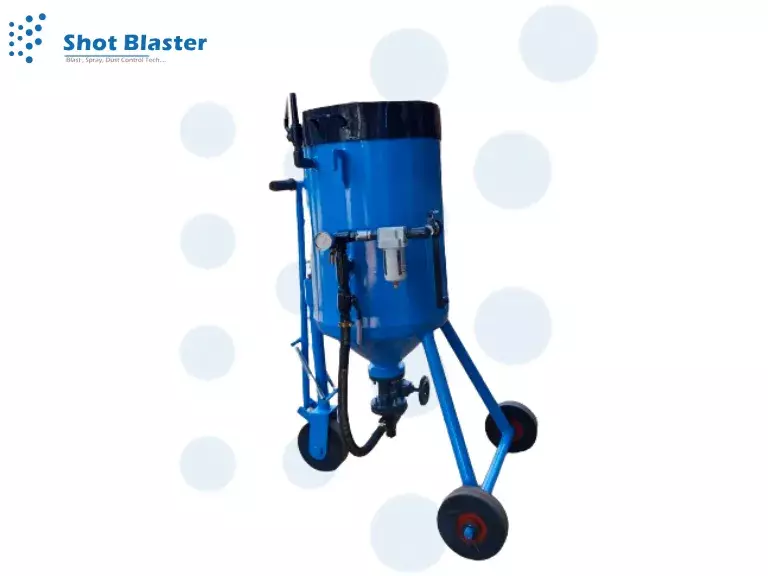
- Understanding the Sand Blasting Machine: It's so important to become familiar with the parts of a standard sandblasting machine before beginning the process. An air compressor, a blasting pot, a blasting nozzle, and a dust collection are all basic components. The blasting pots receive compressed air that was produced by the air compressor. The abrasive substance is contained in the blasting pot, and the sand blasting nozzle manages the stream's flow and direction. A safe working environment is maintained and hazardous particles are eliminated by the dust collector.
- Safety first: Your primary goal when using a sand blasting machine should be safety. Wear personal protective equipment (PPE), including a sand blasting helmet, safety goggles, gloves, and the proper clothing, to protect oneself from potential dangers. To avoid accidents, always work in an area that is ventilated and let people around you know what you're accomplishing.
- Surface Preparation: Proper surface preparation is essential for achieving optimal results. Thoroughly clean the surface to be blasted, removing any loose debris, grease, or paint. Ensure that the area is clear of any objects that could be damaged or pose a risk during the process.
- Abrasive Selection: In order to get the intended result, using the appropriate abrasive substance is essential. Abrasives come in a variety of hardness and particle sizes, including sand, garnet, and aluminum oxide. When choosing the abrasive, take into account the type of surface and the degree of cleaning required. For suggestions on the optimum abrasive to use for particular purposes, refer to the manufacturer's instructions.
- Adjusting Pressure and Flow: The effectiveness of the sandblasting process is governed by the pressure and flow rate of the compressed air. To avoid harming the surface, start with a lower pressure setting and gradually raise it. Discover the ideal pressure-flow ratio that effectively removes undesirable material while minimizing excessive abrasion.
- Proper Nozzle Technique: The nozzle is where the abrasive substance and surface first make contact. Hold the nozzle at a steady 45-degree angle while holding it back from the surface. To ensure comprehensive coverage and prevent over blasting in one place, move the nozzle evenly and slowly across the area. To attain a smooth and even finish, practice good hand-eye coordination.
- Monitoring and Adjusting: Check the progress of the blasting process frequently, and if necessary, modify the pressure, flow rate, or abrasive material. Remember that various surfaces could require various settings to provide the desired results. You can hone your expertise through experimentation and close observation.
- Cleanup and Maintenance: Clear the area and get rid of any abrasive material that is left behind after the sandblasting procedure is finished. Make sure the blasting pot is clear of debris by emptying and cleaning it. To guarantee the durability and optimum performance of your sand blasting machine, do routine maintenance on it, including lubrication, filter replacement, and component inspection.
What is Sand Blasting Machine?
Sand blasting machine are used for a wide range of applications, including surface preparation, cleaning, and finishing. They are commonly used in industries such as automotive, construction, aerospace, and marine, as well as for home improvement and DIY projects.
The basic components of a sand blasting machine include a sand blasting gun, sand blasting hose, an abrasive material container or hopper, and an air compressor or other pressurization system. The sand blasting gun is typically held by the operator and is used to direct the abrasive material towards the surface being treated. The sand blasting hose connects the gun to the hopper or abrasive material container, which is typically pressurized to force the abrasive material through the hose and gun. The air compressor or other pressurization system provides the necessary pressure to propel the abrasive particles at high speeds.
Sand blasting machine offer many benefits, including improved surface adhesion, cost-effectiveness, versatility, eco-friendliness, and fast and efficient cleaning. However, it is important to take safety precautions and perform regular maintenance to ensure the longevity and efficiency of the machine.
