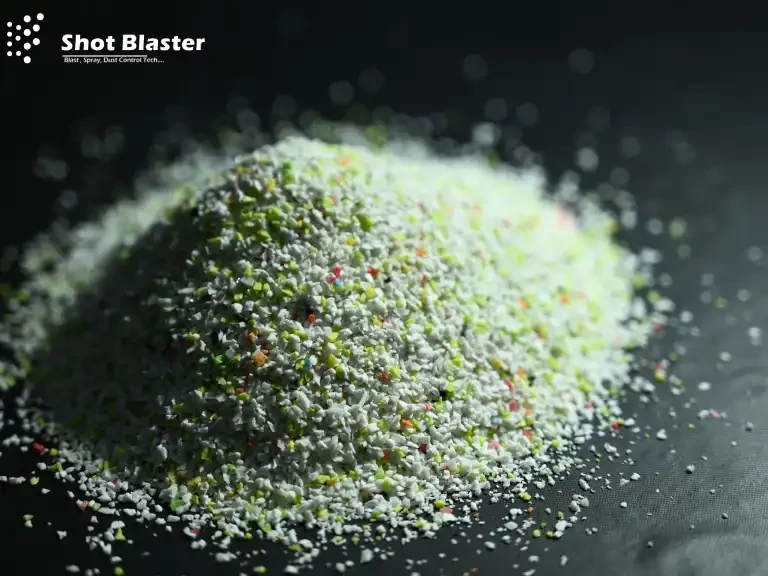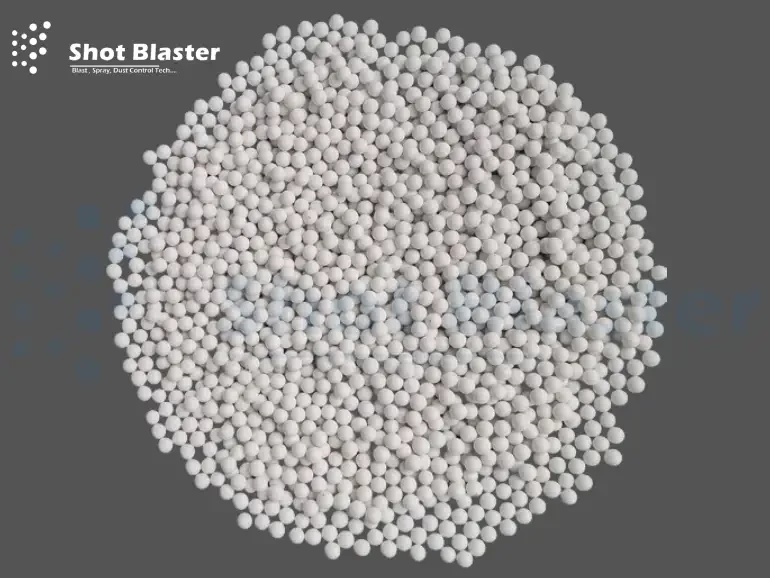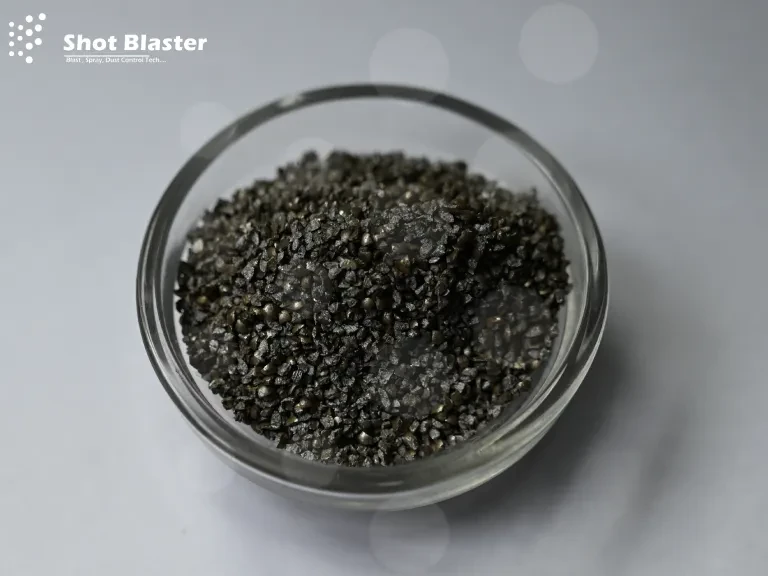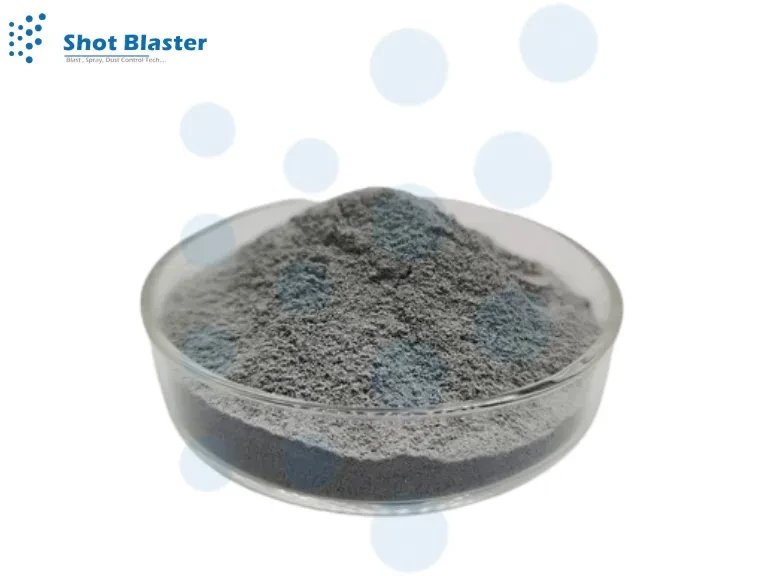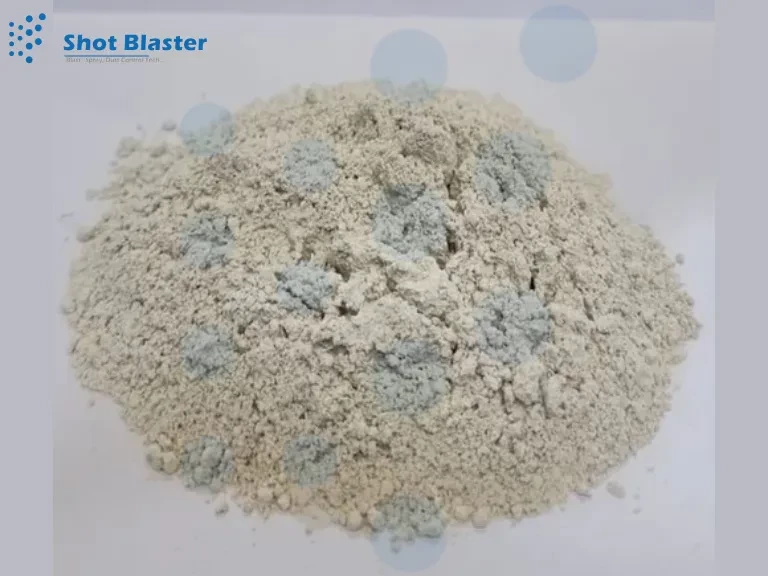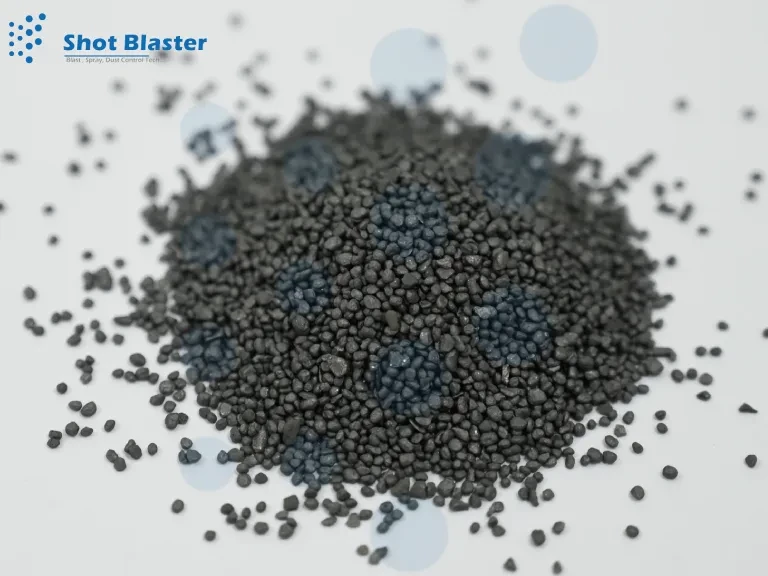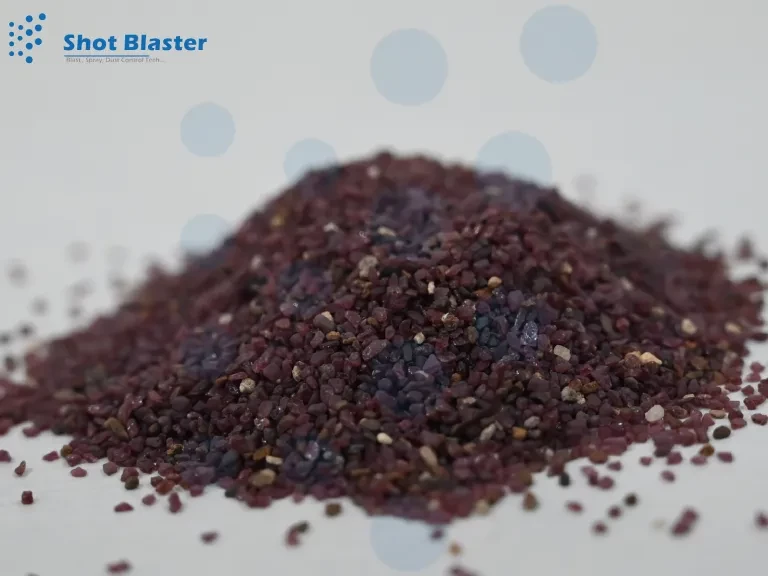
Applications of Garnet Sand
- Sandblasting with Abrasive Garnet Sand - During the surface preparation process, Abrasive garnet is blasted onto the surface of the steel using high-pressure compressed air.
- It can be found in high-quality coated and bonded abrasives such as abrasive papers, clothing, and wheels.
- Abrasive garnet sand is a mineral-free, iron-free substance with a wide range of applications. High-pressure water jet cutting is its primary application as abrasive sand.
- Garnet sand is a good abrasive and a common sandblasting replacement for silica sand. Rounder Garnet Sand is better suited for such blasting treatments.
Garnet Sand Details
Garnet sand is that the collective name for a gaggle of minerals which crystalize during a cubic system with different chemical composition. The principal members of the Garnet group are Almandine (Fe-Al), Pyrope (Mg-Al), Spessartite (Mn-Al), Grossularite (Ca-Al), Andradite (Ca-Fe), and Uvarovite (Ca-Cr). Almandine is harder amongst all varieties and is usually used for abrasive purposes. Garnet is solid & hard with sharp angular chisel-edged fracture, including small amounts of free silica, and exhibits high resistance to physical and chemical attacks. it's used both as a semi-precious stone and as an abrasive. The hardness of garnet varies from 6.5 to 7.5 on the Mohs' scale. this enables it to be used as an efficient abrasive.
Garnet Sand may be a high performance, maintenance grade abrasive that delivers efficient and cost-effective blast cleaning for surfaces. it's utilized in dry blast cleaning, wet blast cleaning, and waterjet cutting. Known for its hardness and durability, it's a chemically inert, natural mineral. Where conditions allow recycling the fabric is often used as a less expensive alternative to aluminum oxide, Chilled Iron, or Steel Grit. the product is dominantly garnet (almandine variety) which may be a Non-Hazardous substance. Traces of dust within the unused product are from carbonate which is additionally Non-Hazardous
Physical Properties of Garnet Sand
- High specific gravity: 3.8 - 4.2
- Weight per cubic foot: 120 - 151 lbs
- MOH hardness scale: 7.6 - 8.0
- Acid solubility: <1%
- Cleanliness: Low dust
- Durability: Because of its hardness, high specific gravity, and the pounds per cubic foot, garnet sand, when installed correctly, stays in its own layer holding down the layers underneath during backwash.
Chemical Properties of Garnet Sand
| SiO2 | 36-38% |
| Al2O3 | 20-22% |
| Fe2O3 | 31-33% |
| MgO | 6-8% |
| MnU | 0.53% |
| CaO | 1-1.5% |
| TiO2 | 0.3-0.7% |
Size of Abrasive garnet which is used in Industries :
Mesh 30/60
| Sieve | μm | % |
| 30 | 600 | 0 |
| 35 | 500 | 0-5 |
| 40 | 425 | 15-25 |
| 50 | 300 | 65-80 |
| 60 | 250 | 2-7 |
| -60 | -250 | 0-5 |
Mesh 80
| Sieve | μm | % |
| 40 | 425 | 0 |
| 50 | 300 | 16-22 |
| 60 | 250 | 36-42 |
| 70 | 212 | 29-35 |
| 80 | 180 | 3-9 |
| 100 | 150 | 0-4 |
| -100 | -150 | 0-2 |
Garnet Sand Manufacturers in India:
Shot Blaster is one of the best Garnet Sand Manufacturers in India. we provide the best quality of garnet sand in India. we also provide Sand blasting machine, Shot blasting machine, Grit blasting machine, thermal spray gun all over the world with the best quality. we have the best portfolio of abrasive garnet at the best price to give our customers.